VAGINOPLASTY
Vaginoplasty, also known as posterior colporrhaphy, is a surgical procedure in which the vaginal walls and pelvic floor muscles surrounding the vagina are tightened to add firmness and tone to the body.
Vaginoplasty
Vaginoplasty, also known as posterior colporrhaphy, is a surgical procedure in which the vaginal walls and pelvic floor muscles surrounding the vagina are tightened to add firmness and tone to the body.
As a reconstructive surgery option, vaginoplasty is also often referred to as “vaginal rejuvenation” and has been growing in popularity in recent years (vaginal rejuvenation includes several different procedures and it is also referred to as genital plastic surgery, genital rejuvenation surgery, vulvovaginal plastic surgery or designer vagina surgery).
Why is vaginal rejuvenation done?
- Vaginoplasty was originally introduced to fix genetic vaginal deformations or repair vaginal stretches and tears that can occur as the result of childbirth. Now, many women are also choosing to have the surgery for aesthetic reasons, and for a functional benefit, since one of the greatest losses that women sense as their vaginal walls become weakened is a loss in sexual pleasure and sensitivity.
- Loss of vaginal tightness with decreased sexual gratification is incredibly common, especially for women who have had difficult or multiple childbirths. Common symptoms include physical discomfort, emotional insecurity, displeasure and even pain during intercourse (sagging skin and stretched out muscles can make it painful to be intimate) and eventually a feeling of a loss of femininity.
- A vaginoplasty can help to restore lost sensitivity by tightening the muscles and helping to restore the pleasures of intimacy, boosting sexual confidence. Some women also choose to combine their vaginal rejuvenation with other vagina plastic surgeries, such as the labiaplasty procedure, clitoral hood reduction and hymenoplasty. Labiaplasty changes the size or shape of the labia, typically making them smaller or correcting an asymmetry between them.
What you should know about vagina surgery

While vaginoplasty can be a good option for some women, there are a few non-surgical options for strengthening pelvic floor muscles, such as Kegel exercises and vaginal creams that are intended to cause swelling of the vagina, making it feel tighter and stronger.
Vaginoplasty is also not recommended for females who are pregnant or plan to have children (a surgery prior to giving birth can render childbirth more difficult and painful, while the effects of childbirth on the vagina are likely to reverse the changes made by vaginoplasty).
Lastly, vaginoplasty is a procedure that has very personal effects on a female and it should not be viewed as a way for a person to make their body look “normal” (it is impossible to pinpoint exactly what a “normal” vagina looks like since the size, shape, color, and feel of the vulva significantly vary from one person to the other).
How is vaginal rejuvenation performed
Vaginal rejuvenation surgery is not an aesthetic procedure at its core; it is a functional operation involving the tightening of the inner and outer muscles and structures of the vagina reducing the internal and external diameter of the vagina and tightening the internal muscles and enhancing vaginal muscle tone, strength and control.
The outpatient surgery will take from one to two hours, with general anesthesia or a local anesthetic with IV sedation used. The procedure begins with a small incision, located on the rear floor of the vagina. The incisions can be made using a traditional scalpel method or by using a laser. Afterwards, a portion of the posterior vaginal wall is excised and the muscles are tightened (the procedure usually involves either pulling the pelvic floor muscles closer together, removing any loose excess skin and scar tissue, or a combination of the two). Once the vaginal canal has been tightened, the mucosal skin is sutured closed.
Recovery and expectations
Patients can expect their recovery after vaginoplasty to last from seven to fourteen days. Though many women are comfortable returning to work within three to five days following the vaginal plastic surgery, vigorous exercise and strenuous activity should be put off for four to six weeks. Sexual intercourse, using tampons, or engaging in any other activity that involves penetration of the vagina should also be postponed during this time.
The end result is a tighter, restructured vagina that will ideally provide more friction and better pleasure during sex. It is common for doctors to recommend that patients do vaginal exercise therapy in the form of Kegel exercises to strengthen the newly formed muscles and prevent future complications.
The risks associated with vaginoplasty are similar to many other common surgeries and include infection, bleeding, severe scarring, and blood clots. However, these risks are typically rare. In fact, the procedure is considered to have fewer health risks than pregnancy.
Vaginoplasty cost (price)
Depending on your individual needs, the cost of a vaginoplasty may vary somewhat. Sometimes, if vaginal rejuvenation procedure should include vaginoplasty combined with another vulvar surgery, surgeons will offer the combined procedures at a lower price than if they were done separately.

Plastic surgeon prof. Dr Milan Jovanovic
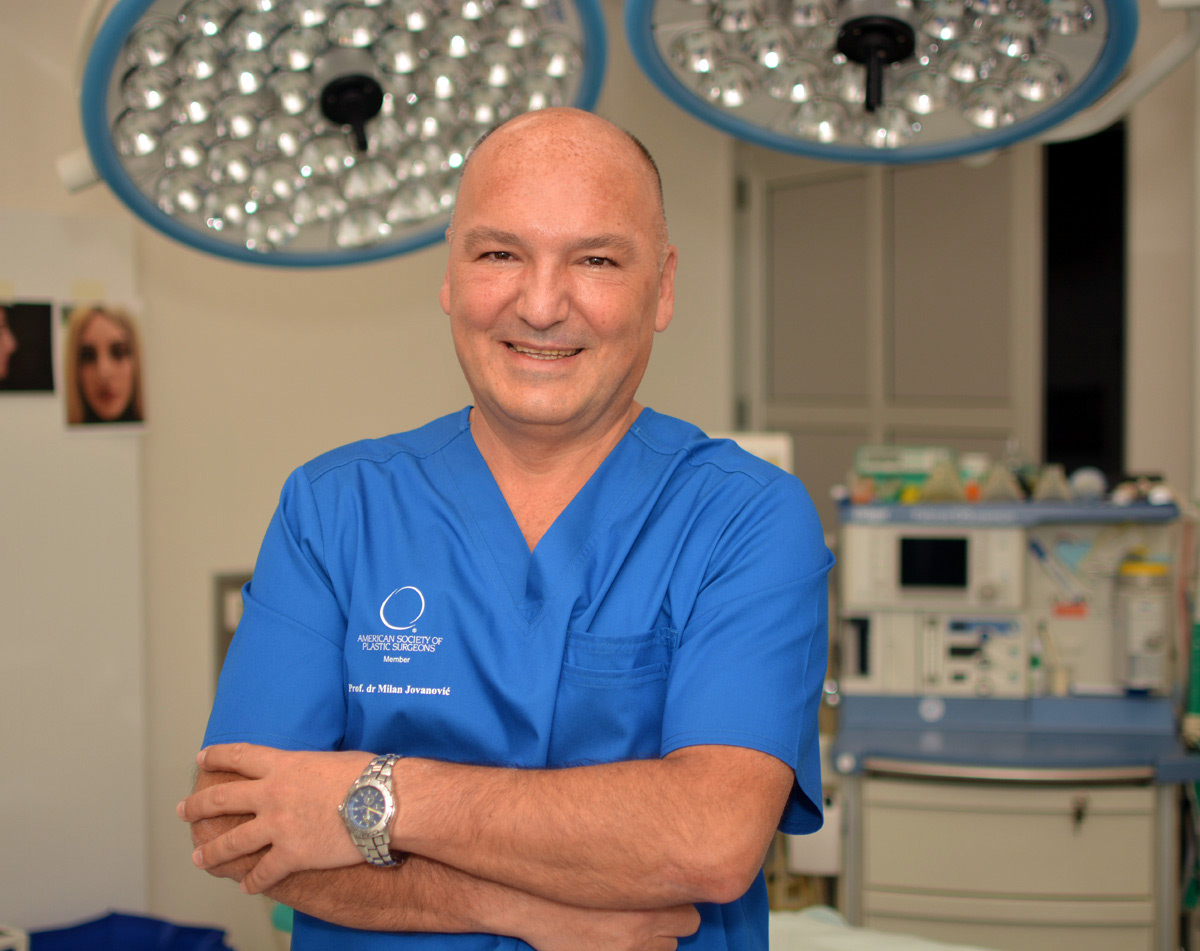
Prof. Dr Milan Jovanovic is a specialist in plastic reconstructive and aesthetic surgery. As a surgeon with 27 years of surgical experience, Dr Jovanovic is one of the best experts in anti-ageing, plastic, reconstructive and aesthetic surgery in the region.
He is a professor at the Faculty of Medicine, University of Belgrade, where he teaches general education to students of the fifth year, as well as at the postgraduate education for doctors who specialize in the field of plastic, reconstructive and aesthetic surgery. He is the Head of the Department of Plastic, Reconstructive and Aesthetic Surgery at the Faculty of Medicine, University of Belgrade.
Others About Us

Prof. Dr. Jovanovic and his team made me feel welcome and at ease. I had liposuction of fat and glandular tissue to correct gynecomastia, and I also had a few moles removed - all under local anesthesia. It was not the most pleasant experience (just mildly uncomfortable - I suggest taking an oral sedative beforehand). Most importantly, however, the results are outstanding. I am very happy that I found Prof. Dr. Jovanovic, and I am happy to give him my highest recommendation. Thanks Prof. Dr. Jovanovic
Michael, USA
MI OPINION SOBRE LA ATENCION HOSPITALIARIA Y POR LA ATENCION PROFECIONAL. MI OPINION SOBRE LA ATENCION DEL CIRUJANO ES EXCELENTE Y NO TENGO PALABRAS PARA A GRADECERLE LA FORMA QUE ME A ATENDIDO,ES UNA PERSONA HUMILDE,ATENTO, Y MUY PROFECIONAL CON TU TRABAJO,. QUE ESTA LAS 24 HORAS PENDIENTE DE SU PACIENTE.,SI TENGO QUE RECOMENDAR LO HARIA SIN DUDARLO . SOBRE EL SERVICIO HOSPITALARIO COMO LOS ENFERMEROS, PERSONAL DE LIMPIEZA, RECEPCIONISTA TAMBIEN EXCELENTE ... LO UNICO SI ES DE MODIFICAR ALGUNA INSTALACIONES DEL HOSPITAL, COMO LAS ESCALERAS DEL SECTOR DE CIRUGIAS, Y EL MANTENIMIENTO EN GENERAL DEL HOSPITAL. APROVECHO PARA MANDAR UN SALUDO CORDIAL. AL DOCTOR JOVANOVIC . ATENTAMENTE.
Josefina Segovia Gonzalez de España, Spain, Madrid
Dr. Hirurg preformed a tummy tuck on me June 11,2015. I have come from the United States on the recommendation of a friend to Dr. Hirurg. His competency is above 100%. I received complete and accurate information. Everything was done in a timely manner. I found him compassionate and concerned for me and my recovery from my first consultation through my full recovery. In the States a tummy tuck is an sameday surgery. You have surgery and go home after the recovery room. Dr. Hirurg plan is a 3 day stay in his clinic where the surgery is done and after the recovery room I stayed in a hospital room for three days with my knees up and two j.p.tube for drains. I was place in front of the nursing station, which made me feel very safe. I have been a smoker for 10 years. After recover I had a respiratory: distress episode. Dr. Hirurg was called. I had the anesthologist and ICU nurse at the bedside until it was successfully resolved. When I left the clinic I had no tubes. In the states I would have gone home with the tubes. I had dressing changes by my doctor 3times a week until all my stitches were all out. I would recommend Dr. Hirurg with a 10 of 10 recommendation. Thank you Dr. Hirurg
Laurene Faulkner, USAHospital for plastic and aesthetic surgery
Health institution General Hospital – Medical System Belgrade – MSB is a system which combines all medical and dental specialties.
Exceptional and complete services in the fields of anti-ageing, plastic, reconstructive and aesthetic surgery are provided by the Center for Aesthetic Surgery MSB (Medical System Belgrade). Along with the necessary safety, quality, comfort and discretion, our main goal is – a satisfied patient.

Contact info
- Maglajska 30, Beograd
- 7:00 AM - 11:00 PM (Mon-Sun)
- +381 11 266 26 50
- +381 11 367 42 64
- +381 63 397 661
- plasticnihirurg@gmail.com
- www.plasticnaestetskahirurgija.com
- www.plasticcosmetic-surgery.net